We’re six months in. Markets have moved, interest rates have kept everyone guessing, and life as it tends to do has thrown a few curveballs.
Before you sprint into the second half of 2026, take a breath. This month, we’re doing what every good coach does at halftime: reviewing what’s working, adjusting what isn’t, and heading back out with a clear game plan.
May: Halftime
📊June: Your Mid-Year Financial Check-In
1. Where Markets Stand Right Now
The first half of 2026 has been a story of resilience with some turbulence in between. Here’s where things sit as we hit the midpoint:
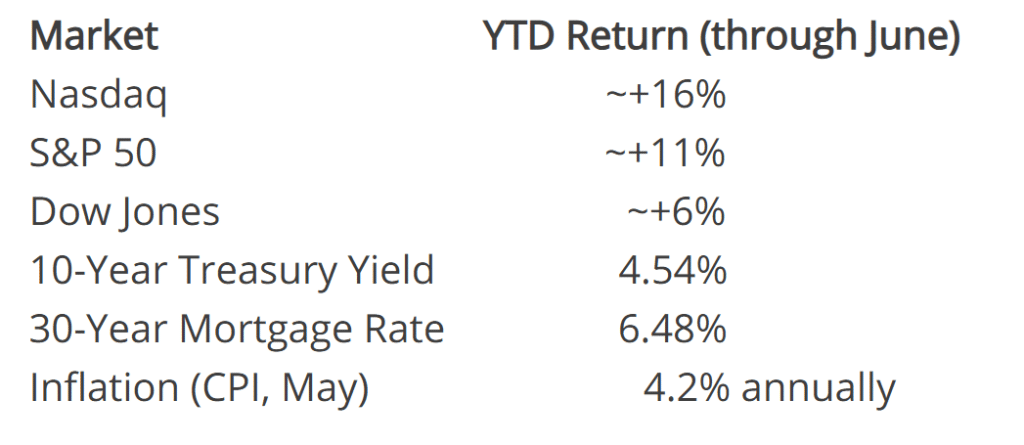
The tech-heavy Nasdaq has been the clear leader, posting roughly 16% YTD gains through May, while the S&P 500 followed with approximately 11%, and the Dow lagged with about 6%.
The Dow had a particularly volatile first half — crossing 50,000 for the first time in February before correcting nearly 10% from that peak by late March as geopolitical tensions escalated and inflation concerns mounted. It has since recovered and closed at a record 51,078 on June 2nd.
What to watch in 2nd Half: Annual inflation accelerated to 4.2% in May, and markets are now pricing in a 25bps Fed rate hike in December. The 10-year Treasury yield sits at 4.54–4.55%, and the 30-year fixed mortgage rate is currently 6.48%. Rates are staying higher for longer — which affects everything from home buying decisions to bond allocations.
The plain-English takeaway: Returns so far in 2026 have looked much different than 2025. While AI is still a significant driving force, the ‘Magnificent 7’ are lagging major market indexes. International markets continue to do well paired with strong Small Cap based companies based in the US. Overall market performance seem to be supported by more than just a handful of big-name AI companies.
2. The Mid-Year Checklist
Most people do a financial review once a year in January, when motivation is high and resolutions are fresh. The problem? By June, a lot has changed. Here’s what to look at right now:
- Are your 401(k), IRA, and HSA contributions on pace to hit your annual target?
- Has your life changed since January? (New job, new home, new dependent — your plan should reflect it)
- Is your asset allocation still aligned with your timeline and risk tolerance?
- Have you reviewed your beneficiary designations recently?
- Are there tax-loss harvesting opportunities before year-end?
- Do you still have 3–6 months of liquid cash reserves?
- Are you on track with the goals you set in January — and if not, why?
3. The Halftime Mistake Most People Make
There are two kinds of investors at the midway point: those who panic-adjust after a rough stretch, and those who go completely quiet because things feel fine. Neither is a strategy. The investors who win over time are the ones who check in regularly, make small course corrections, and resist the urge to do something dramatic. Steady wins. Every time.
4. Practical Framework: June Money Moves
- Schedule your mid-year financial review — today, not next month
- Pull up your January goals and do an honest comparison
- Check your withholding — are you on pace to owe at tax time, or overpaying all year?
- Identify one financial decision you’ve been sitting on and make it
- Acknowledge the wins, even the small ones
“The best financial plans aren’t built once and forgotten, they’re revisited, adjusted, and recommitted to. Halftime is the perfect moment to do exactly that.”
🛠️ Helpful Tools to Get You Started
👉 Mid-Year Resource
IRS Tax Withholding Estimator: Halfway through the year is the ideal time to check whether your withholding is on track. Visit irs.gov/W4app to make sure you’re not setting yourself up for a surprise bill in April.
👉 Conversation Starter Guide
Quick Reflection Questions for Your Mid-Year Review:
- Am I on track with the savings goals I set in January?
- Has anything changed in my life that my financial plan doesn’t reflect yet?
- Am I invested in a way that still matches my timeline and comfort with risk?
- Are there accounts I’ve been neglecting — HSA, Roth, brokerage?
- What’s the one financial decision I’ve been avoiding — and what would it take to make it
From the Studio

Newest Episodes:
Episode 10: Tim Humphrey on Reinvention, Resilience & Finding Your Purpose
Tim Humphrey went from 200 rejection letters and a $13.50/hr IBM co-op to Chief Analytics Officer and then walked away from it all to become a Provost at Wake Tech. In this episode, the NC State alum and 30-year tech veteran joins host Ralston Turner to talk leadership through crisis, the real relationship between data and human intuition, and what it feels like to finally trade a career for a calling.

Newest Episodes:
Pocket-Sized Advice: What Gilmore Girls Teaches Us About Personal Finance
In this episode of Pocket-Sized Advice, TradeWinds Grayson Tanner uses everyone’s favorite Stars Hollow duo to break down three of the most common personal finance mistakes people make and how to avoid them.
Lorelai Gilmore is independent, resilient, and charming. She’s also a cautionary tale. You don’t have to do it the hard way.
Inside TradeWinds
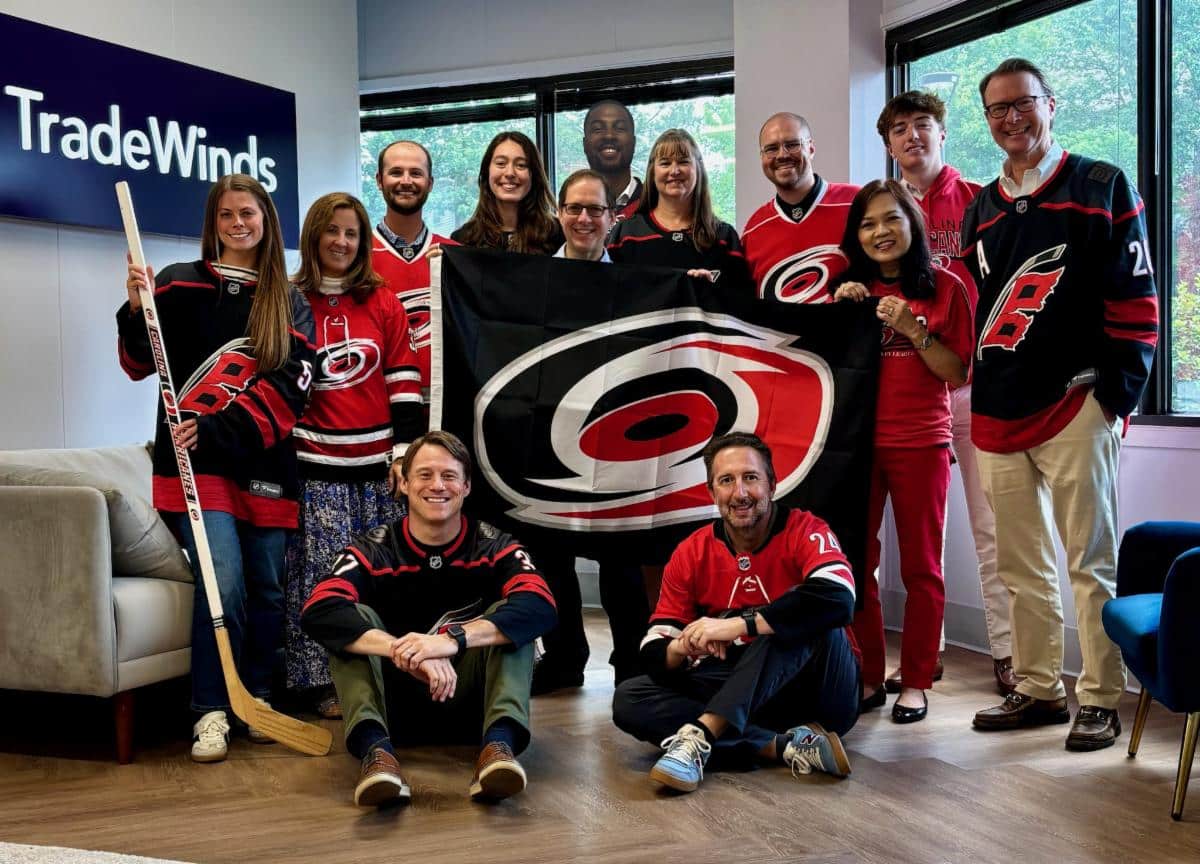
TradeWinds supports the Stanley Cup Champions, Carolina Hurricanes!
When the Carolina Hurricanes made a historic run to their first Stanley Cup, the TradeWinds team wasn’t going to miss the moment. We showed up to the office decked out in our Canes gear to cheer on our hometown team and celebrate with the rest of Raleigh. It’s been a long time coming for Carolina hockey fans, and we were all in. Go Canes! 🏒
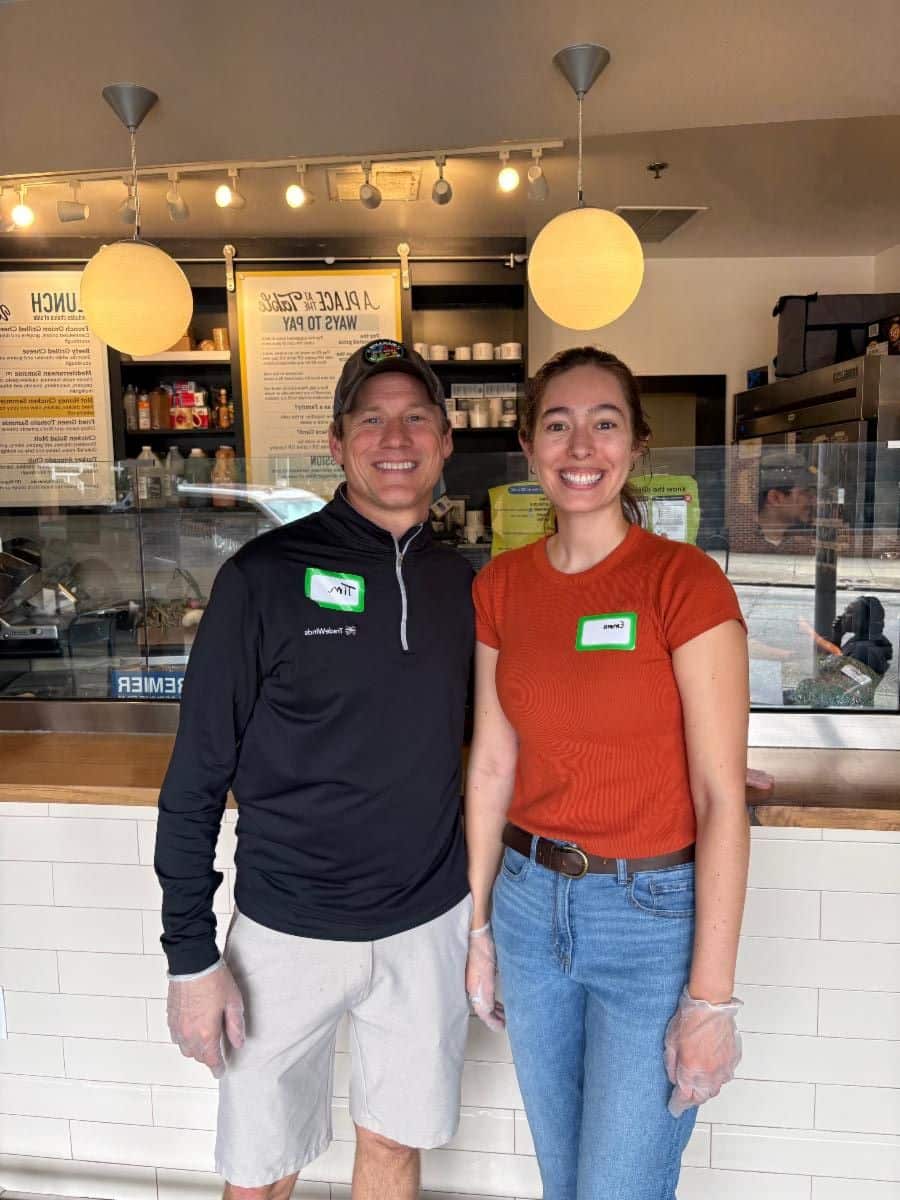
Volunteered at A Place at The Table
Tim and Emma recently spent time volunteering at A Place at the Table, Raleigh’s pay-what-you-can café that ensures everyone has access to a good meal regardless of their ability to pay. It’s the kind of place that runs on community and Tim and Emma were happy to be part of it.
TradeWinds Recommends
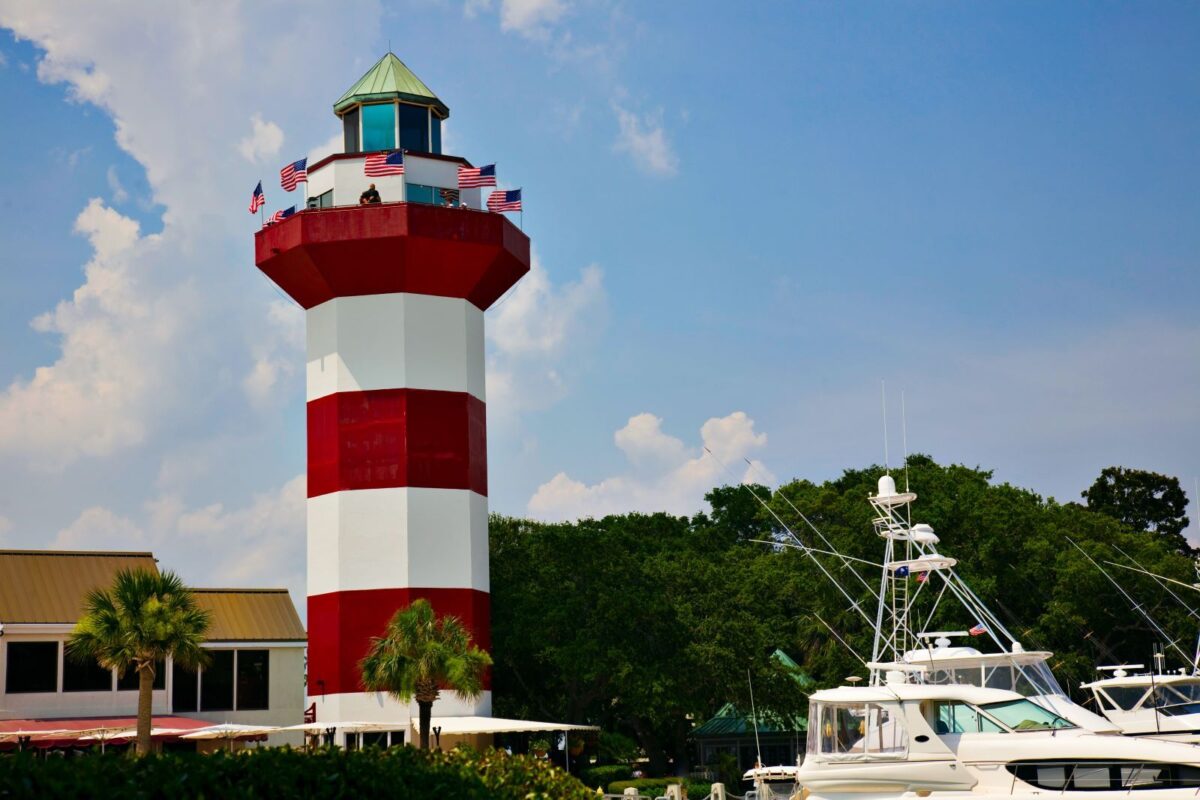
Mike
Mike and his family make Hilton Head an annual tradition and it never disappoints. Wide beaches, miles of bike trails, and endless outdoor fun make it a perfect escape for the whole family. Highly recommend.

Tracey
Tracey just got back from Shenandoah National Park and she’s already ready to go back. World-class hiking, stunning views, and total immersion in nature make it an easy recommendation. If you’re looking to unplug and get outside, this is the place.

Jeb
Jeb just returned from Italy and the highlights speak for themselves, swimming in the Mediterranean, exploring wine country, and walking the streets of Florence. Highly recommend adding it to the bucket list.
Stephanie
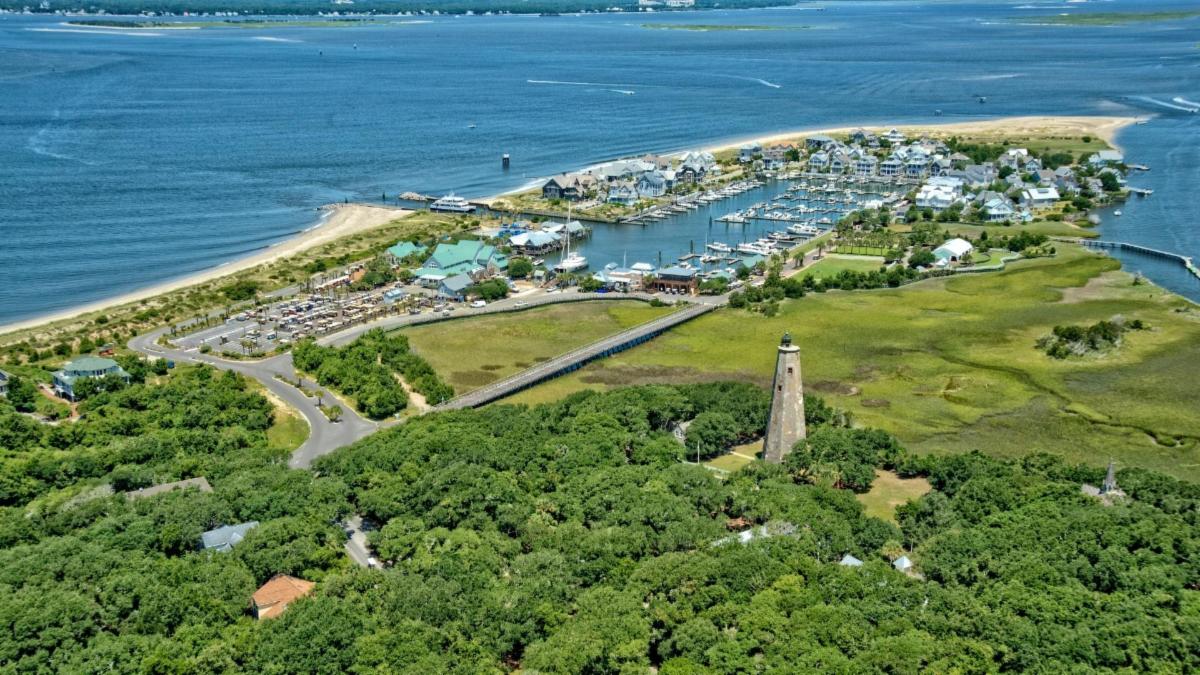
Stephanie highly recommends Bald Head Island, as it is her family’s favorite getaway and a place they visit as often as they can. With its beautiful beaches, peaceful car-free environment, stunning natural scenery, and endless opportunities for biking, kayaking, paddleboarding, walking, and exploring, it’s an active person’s dream destination.
Combined with its laid-back coastal charm, Bald Head Island offers the perfect setting to relax, reconnect, and make unforgettable family memories.
Question of the Month
“Is there an advantage to having accounts at multiple places? Is this a better to diversify?”
We’ve all heard the idiom of “not putting all of your eggs in one basket” and the truth that comes along with it. When it comes to holding multiple accounts, however, having a split experience introduces confusion and potential risks. Having multiple accounts at different institutions doesn’t instantly diversify your actual investments; it is likely the accounts could be invested in a very similar way. Consolidating your investments at one institution allows for a much better understanding of how you’re invested, stronger control over tax ramifications, along with connecting to elements of your financial plan in a more streamlined manner.
What’s Next?
July: Financial Independence
What does financial independence actually mean and is it even realistic? In July, we’re unpacking one of the most misunderstood concepts in personal finance. It’s not just about retiring early. It’s about building enough financial cushion that your decisions are driven by what you want, not what you have to do. We’ll cover what Financial Independence really looks like, what it takes to get there, and how to start building toward it no matter where you are right now.
“Financial independence isn’t a number. It’s a feeling — and you can start working toward it today.”
Onward with Optimism,
The TradeWinds Team